
www.waterplant.tech
29
'25
Written on Modified on
Energy-Efficient Wastewater Treatment: Industry Outlook for the Future
As energy prices fluctuate, regulatory standards tighten, and cities pursue ambitious net-zero commitments, the need for more efficient approaches has shifted from being a desirable goal to an operational and financial necessity, says K.A. Gerardino.
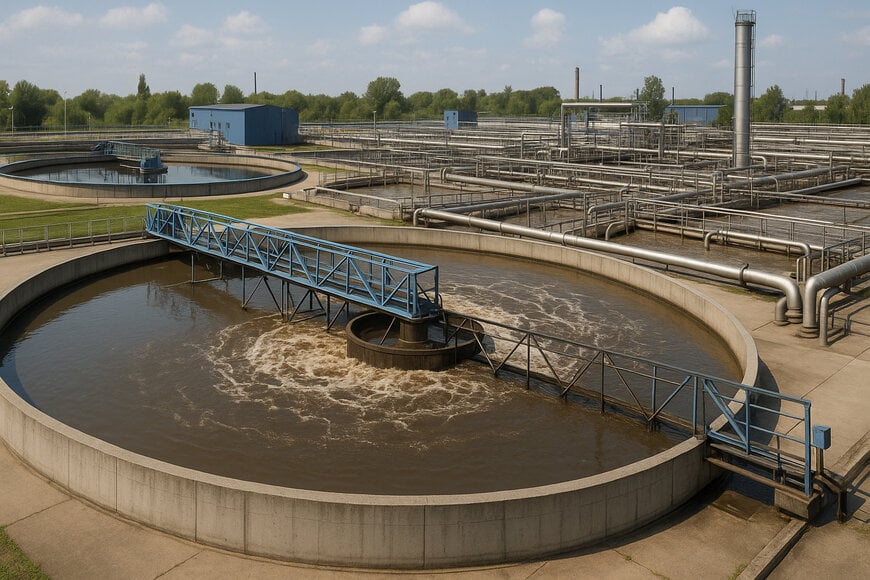
Wastewater treatment has long been recognized as one of the most energy-intensive services provided by municipalities, often ranking among the top three electricity consumers. Traditional activated sludge systems are particularly demanding, with aeration and sludge handling together accounting for most of the plant electricity and thermal demand. As energy prices fluctuate, regulatory standards tighten, and cities pursue ambitious net-zero commitments, the need for more efficient approaches has shifted from being a desirable goal to an operational and financial necessity.
Energy-efficient wastewater treatment is therefore rapidly evolving from a “nice-to-have” sustainability measure into a central pillar of modern water management strategies. Utilities and industries are investing in upgrades not only to reduce costs and emissions but also to convert waste into valuable resources. Mature technologies such as advanced aeration control, anaerobic digestion with combined heat and power, heat recovery, and digital optimization are already proving effective. Retrofit projects commonly reduce energy intensity by 20 to 50 percent, while some pioneering facilities now achieve or even surpass energy neutrality by combining process optimization with resource recovery.
The economic dimension of such a shift is equally imperative. Quoting the Market Size and Trends Report, the global wastewater-to-energy (WWTTE) market was valued at US$19.5 billion in 2024 and is expected to reach US$35.8 billion by 2033. That translates into a compound annual growth rate of 7.2 percent between 2026–2033, an indication that energy efficiency and resource recovery coupled with wastewater treatment will continue to feature very high on the agendas of utilities, regulators, as well as investors.
Energy Intensity of Wastewater Treatment
Traditional wastewater treatment plants consume vast amounts of energy, making them one of the most resource-intensive aspects of municipal infrastructure. In most plants, aeration alone accounts for 50 to 70 percent of total electricity use, a figure that underscores the inefficiency of conventional activated sludge systems. Sludge handling adds another layer of thermal demand, further increasing operating costs and emissions. Pumping, pressure management, and hydraulic inefficiencies add to this burden, creating systems that are both financially costly and environmentally unsustainable.
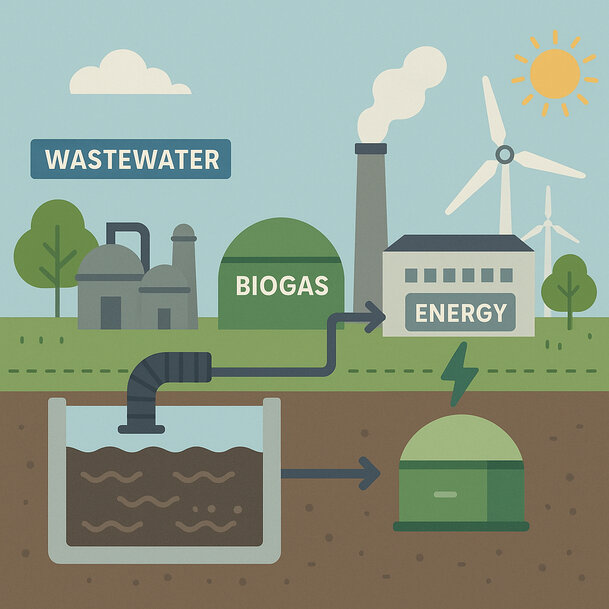
Despite this, wastewater treatment plants also contain hidden energy that, when harnessed, can transform the economics of operation. Organic matter can be processed through anaerobic digestion to produce biogas, which can then be used to generate electricity or heat. Thermal gradients within effluent streams and digesters can be tapped through heat recovery technologies such as exchangers and pumps. Hydraulic flows can be optimized through smart pumping systems, reducing wasted energy. The ability to capture and exploit these untapped resources lies at the heart of energy-efficient wastewater treatment and is central to creating utilities that move from being heavy consumers of energy to net producers of renewable energy.
Energy Efficiency Pathways
Energy-efficient wastewater treatment processes are defined as operational designs that measurably reduce net electricity and thermal demand per unit of treated flow or pollutant load without compromising compliance. Several pathways exist to achieve these results, each targeting different stages of the treatment cycle.
One of the most effective strategies is process optimization. Fine-bubble diffusers improve oxygen transfer efficiency, while variable-speed drives enable pumps and blowers to operate in alignment with fluctuating load conditions rather than at constant capacity. Real-time monitoring of dissolved oxygen and ammonium allows for targeted aeration that avoids energy waste. More advanced approaches such as ammonia-based aeration control and ammonium/NOx cascade control help strike a balance between minimizing energy consumption and ensuring compliance with nutrient discharge regulations. Intermittent aeration systems further optimize oxygen delivery by matching supply with microbial demand.
Another key pathway is resource recovery. Anaerobic digestion, often paired with combined heat and power engines, enables sludge to be transformed into electricity and heat. In many cases, biogas can be upgraded to biomethane, making it suitable for injection into natural gas grids or use as transport fuel. Sidestream deammonification reduces the aeration load of mainstream processes, lowering overall energy demand. Struvite recovery offers an additional benefit by recycling phosphorus, thus reducing chemical use and sludge disposal requirements while generating a valuable agricultural product.
Thermal and hydraulic efficiency also play important roles. Heat exchangers and pumps on effluent and digesters can capture low-grade heat that would otherwise be lost, using it to offset heating requirements elsewhere in the plant. Smart pumping systems reduce wasted energy by managing flow and pressure more efficiently. Optimizing hydraulic distribution across treatment stages prevents energy losses caused by imbalanced loads.
Digitalization is the final and perhaps most transformative pathway. Networks of online sensors provide continuous real-time data on key parameters such as dissolved oxygen, ammonium, nitrate, and chemical oxygen demand. Soft sensors expand this capability by inferring values that are difficult to measure directly. Digital twins, which simulate plant performance under varying conditions, allow operators to anticipate and prevent inefficiencies. Advanced control systems such as model predictive control and AI-assisted setpoints dynamically adjust operations in response to changing conditions, ensuring that plants run at optimal efficiency while maintaining compliance.
Market Landscape and Drivers
The global market for energy-efficient wastewater treatment is being shaped by a convergence of economic, regulatory, and technological factors. Energy price volatility and the need for resilience are motivating utilities to reduce dependence on external electricity and generate on-site power and heat. Stricter regulations governing nutrient removal and emissions are accelerating adoption of data-driven control systems and optimized treatment processes. Aging infrastructure in developed markets has created a “retrofit moment,” where efficiency measures can be incorporated as part of large-scale renewal projects.
At the same time, digital readiness is expanding as affordable sensors, robust PLC and SCADA systems, and cloud-based analytics lower the barriers to continuous optimization. Financing conditions are also favorable. Green bonds, climate funds, and national stimulus programs are improving the bankability of energy-efficiency projects, attracting both public and private investment.
Nonetheless, challenges remain. High upfront capital costs, particularly for anaerobic digestion and membrane bioreactors, can deter adoption, especially for smaller utilities. Procurement processes are often complex, delaying implementation. Skills gaps in advanced controls and digital analytics limit the pace of innovation. There are also lingering concerns about process stability when operating under low dissolved oxygen levels or intermittent aeration regimes. Finally, fragmented incentives, where energy savings and water quality improvements are budgeted by different departments, make it difficult to align objectives and investments.
Regional adoption varies significantly. Europe leads the way with strict regulatory frameworks, high energy costs, and a mature vendor ecosystem that together encourage innovation. Advanced Asian markets, such as Japan, Singapore, and South Korea, are rapidly adopting energy-efficient systems due to urban growth, stringent discharge standards, and smart-city investments. North America is beginning to accelerate adoption as funding programs expand and carbon accounting requirements tighten. Meanwhile, emerging markets hold strong potential, particularly for modular, decentralized, and low-operating-cost systems that incorporate embedded digital controls.
Case Studies and Success Stories
The transformation of wastewater treatment through energy efficiency can best be illustrated through real-world case studies.
In Denmark, the Marselisborg Wastewater Treatment Plant in Aarhus has become a global reference point for energy-positive operations. Historically, the plant consumed large amounts of electricity for aeration and pumping. However, beginning in the 2000s, systematic upgrades were implemented. These included fine-bubble diffusers and advanced aeration control systems with real-time monitoring of dissolved oxygen and ammonium. Sludge thickening and anaerobic digestion were added, supported by combined heat and power engines fueled by biogas. Heat recovery systems were connected to Aarhus’s district heating network. The results have been remarkable. Marselisborg now generates more than 150 percent of its electricity needs, exporting surplus power to the grid. Greenhouse gas emissions have been significantly reduced, compliance with strict nutrient standards has improved, and operational costs have declined due to lower electricity purchases and new revenue streams from energy sales. The key lessons from Marselisborg are clear: efficiency measures alone can reduce energy demand, but pairing them with resource recovery is what enables plants to achieve energy-positive status. The project also underscores the importance of collaboration between utility managers, technology vendors, and municipal authorities, as well as the role of digital monitoring in maintaining stable operations under low-energy conditions.
In Switzerland, the city of Aarau faced rising energy costs and ambitious municipal sustainability targets. Rather than pursue expensive new construction, Aarau opted to retrofit its existing infrastructure with Danfoss high-efficiency motor drives and automation systems. Variable frequency drives were installed on blowers and pumps, allowing aeration to dynamically adjust to fluctuating load conditions. Digital controls and sensors were added to continuously optimize oxygen transfer efficiency, while energy monitoring dashboards provided operators with new levels of transparency. The outcomes were immediate: aeration energy demand dropped by 20 to 30 percent, operating costs decreased, plant stability improved, and operators gained valuable insights into where and when energy was being consumed. The Aarau case highlights that even incremental retrofits can deliver substantial savings without requiring long payback periods. It also emphasizes the importance of operator training and engagement, as technology adoption is only effective when supported by skilled personnel.
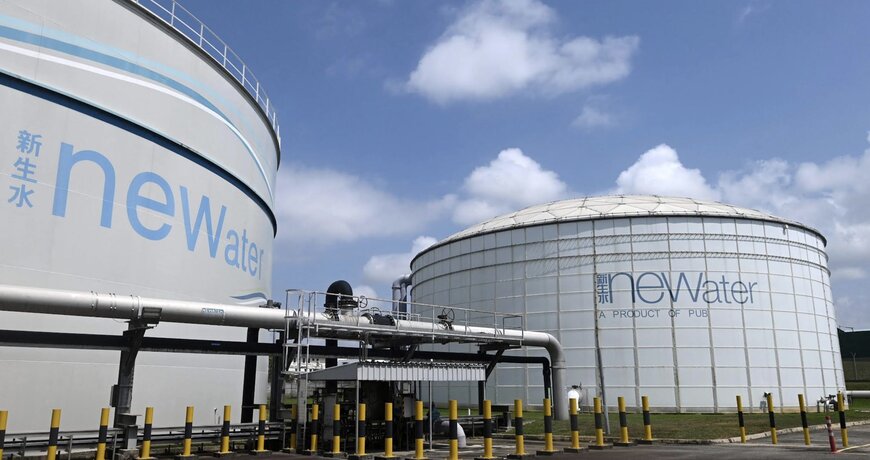
A third case comes from Singapore, where the Public Utilities Board has taken a proactive role in integrating energy efficiency with water reuse. By co-developing membrane aerated biofilm reactors with technology providers and investing in advanced digital controls, Singapore has designed facilities that combine energy efficiency with the production of high-quality effluent for reuse. This dual approach not only reduces energy intensity but also strengthens the country’s resilience against drought and water scarcity. The Singapore experience demonstrates how new plants can be designed with energy neutrality and resource recovery embedded from the outset, rather than as retrofitted add-ons.
Collectively, these case studies reveal a broader set of lessons. A tiered approach to efficiency works best. Low-capital retrofits, as seen in Aarau, provide quick wins, while more comprehensive upgrades, such as those at Marselisborg, show the potential of combining efficiency with full-scale resource recovery. Digital tools are indispensable in enabling stable operations at reduced energy intensity. Perhaps most importantly, replication is possible across diverse contexts. Although conditions such as energy prices, regulatory frameworks, and sludge characteristics vary, the fundamental building blocks—smart controls, anaerobic digestion, and heat recovery—are globally transferable.
Segmental Shifts and Innovation Breakthroughs
Recent years have seen significant growth in the biogas and anaerobic digestion segments. Advances in microbial digestion processes are improving energy yields and operational efficiencies, making sludge-to-energy conversion increasingly attractive. At the same time, breakthroughs in membrane technologies and microbial consortia are enhancing biogas purity and yield, strengthening the business case for biomethane upgrading and injection into natural gas grids.
Emerging smart solutions are also reshaping plant operations. Real-time monitoring systems, coupled with AI-driven process optimization, are reducing downtime and enabling predictive maintenance. These innovations not only enhance plant performance but also provide utilities with the confidence to operate under lower dissolved oxygen conditions without risking compliance.
Application developments extend beyond municipal facilities. Industrial sectors, including food and beverage, pharmaceuticals, and textiles, are increasingly adopting wastewater-to-energy solutions. By integrating nutrient recovery and sludge-to-energy conversions, these industries are aligning with circular economy principles while simultaneously lowering operating costs. The convergence of wastewater treatment with renewable energy grids and decentralized treatment models further broadens the application landscape, creating opportunities for modular and distributed solutions in both urban and rural contexts.
Competitive Landscape
The competitive landscape of energy-efficient wastewater treatment is broad, encompassing multinational engineering firms, regional players, digital solution providers, and startups.
Global providers such as Danfoss, Veolia Water Technologies, SUEZ, and Xylem dominate the sector. Danfoss has established itself as a leader in retrofits and energy-efficiency packages through its variable frequency drives, smart pumping and blower solutions, and automation controls. Veolia positions itself as a leader in circular economy solutions by integrating water, waste, and energy management into its projects, while SUEZ competes with a strong focus on advanced process optimization, membrane systems, and sludge-to-energy technologies. Xylem distinguishes itself through digital optimization, investing heavily in sensors, control systems, and analytics.
Regional players also play an important role. Japanese companies such as Kurita Water Industries, Toray, and Asahi Kasei provide specialized solutions in chemicals, membranes, and sludge treatment. In China, Tsinghua Tongfang is focused on large-scale municipal upgrades with an emphasis on energy-efficient retrofits. Singapore’s Public Utilities Board actively collaborates with technology providers like OxyMem to co-develop new systems such as membrane aerated biofilm reactors.
Digital leaders include ABB, Siemens, AVEVA, and Aquasuite. These firms are developing drives, automation tools, analytics platforms, and AI-driven process optimization systems that enable utilities to maximize efficiency. Startups are also contributing, with OxyMem commercializing MABRs that reduce aeration energy by up to 50 percent and Tomorrow Water advancing compact, energy-positive plants designed for urban environments. Pilots in microbial electrochemical systems in Europe, the United States, and China are still pre-commercial but attracting significant research funding.
Industry alliances and collaborations add another dimension. Organizations such as the Water Environment Federation in the United States, Water Europe, WaterCycle Denmark, and the European Innovation Partnership on Water are promoting knowledge-sharing, R&D collaboration, and pilot adoption.
Several competitive trends are emerging. Consolidation is reshaping the market, as seen in the Veolia–SUEZ merger, which has created a global giant with end-to-end capabilities. Vendors are differentiating themselves through digital-first strategies that emphasize analytics, predictive control, and AI integration. Localized manufacturing in China, India, and Southeast Asia is making equipment more affordable for emerging markets. Finally, companies are leveraging green branding, positioning themselves as enablers of net-zero utilities to gain an edge in ESG-driven procurement.
Market Drivers and Emerging Trends
Stringent environmental regulations and increasing awareness of sustainable wastewater management are the primary drivers fueling the expansion of the wastewater-to-energy market. Governments worldwide are incentivizing renewable energy integration and resource recovery initiatives through directives, subsidies, and performance standards. Industrialization and urbanization are escalating wastewater volumes, compelling utilities to adopt more efficient and eco-friendly solutions. The economic benefits of energy self-sufficiency, combined with the global shift toward circular economy practices, are accelerating investment in projects that integrate efficiency with recovery.
The integration of advanced digital technologies such as the Internet of Things, artificial intelligence, and automation is transforming operations. These tools are enabling smarter plant management, predictive analytics, and real-time process optimization. As consumer and regulatory preferences shift toward sustainable and low-carbon solutions, the adoption of biogas production and nutrient recovery systems is increasing. Asia-Pacific, in particular, is witnessing rapid growth due to government incentives and heavy investment in sustainable infrastructure. The convergence of wastewater treatment with renewable energy grids and the rise of decentralized treatment models are shaping future industry landscapes.
Opportunities and Risks
The wastewater-to-energy sector presents numerous opportunities. Retrofit projects deliver quick wins with short payback periods, making them attractive to utilities under financial pressure. Mid-scale energy packages that combine anaerobic digestion, CHP, and heat recovery are particularly appealing for plants serving populations of 50,000 to 100,000, especially in markets with high energy prices. Decentralized solutions, including modular systems for campuses, hotels, and industrial clusters, are gaining popularity. Digital services that rely on shared-savings contracts help overcome capital expenditure barriers for smaller utilities. Access to green finance, such as climate funds and bonds, is expanding investor appetite, particularly for projects that bundle compliance, energy efficiency, and water reuse.
However, risks remain. Policy and tariff uncertainty, particularly around feed-in tariffs and carbon pricing, can extend payback periods and deter investment. Operational complexity is another challenge, as reliable operation under low dissolved oxygen conditions requires high-quality sensors, rigorous calibration, and skilled operators. Increasing connectivity raises the risk of cyberattacks, necessitating investment in secure IT and operational technology systems. Sludge management is also facing headwinds, with contaminants such as PFAS increasing treatment and disposal costs. Technology performance varies significantly with influent characteristics, temperature, and loading patterns, particularly for newer systems like membrane aerated biofilm reactors. Supply chain disruptions and cost inflation for critical components such as blowers, membranes, and CHP engines may delay projects and erode returns.
Future Scenarios and Strategic Implications
Looking ahead, different scenarios emerge for the next five to ten years. Under a conservative scenario, incremental retrofits will dominate, digital optimization will spread gradually, and anaerobic digestion will grow steadily in regions where tariffs support it. Market growth would remain in the low- to mid-single digits. In the base case scenario, stronger policy and funding support would drive widespread bundling of aeration optimization, anaerobic digestion, and heat recovery. Modular systems would gain ground, producing mid- to high-single-digit market growth. Under an accelerated scenario, stable carbon pricing and renewable energy credits, expanded district energy networks, maturing biomethane markets, and rising water reuse mandates would create double-digit growth in select regions. In this scenario, many medium-sized plants could realistically achieve net-zero energy.
For utilities, the strategic implication is to begin with quick-win retrofits such as aeration optimization and digital upgrades, while developing long-term roadmaps toward anaerobic digestion, CHP, and heat recovery. Investments in operator training and sensor quality assurance are critical to maintaining reliability. Vendors should package solutions with performance guarantees, expand modular offerings, and develop stronger capabilities in analytics and cybersecurity. Policymakers can accelerate adoption by stabilizing incentives, integrating water-energy-carbon metrics into permitting processes, and providing technical assistance to smaller utilities. For investors and financiers, the most attractive opportunities lie in projects that combine compliance, energy efficiency, and reuse, underpinned by proven vendors and sound operational structures.
Conclusion
Energy-efficient wastewater treatment is no longer an optional sustainability initiative. It has become a financial, operational, and environmental imperative. The convergence of process optimization, resource recovery, digitalization, and supportive policy frameworks is transforming wastewater treatment plants from heavy energy consumers into climate-neutral or even energy-positive facilities.
Case studies such as Marselisborg and Aarau demonstrate the range of possible outcomes, from incremental retrofits that deliver immediate savings to comprehensive overhauls that create net producers of renewable energy. Technological breakthroughs in anaerobic digestion, microbial digestion processes, membrane systems, and digital optimization are further strengthening the economic and environmental case for adoption. With favorable financing mechanisms, regulatory pressure, and growing investor appetite, the sector is poised for sustained growth.
By 2033, energy-efficient wastewater treatment will not only contribute to net-zero targets but will also redefine the role of utilities within the broader circular economy. Far from being energy-intensive liabilities, wastewater treatment plants are set to become hubs of renewable energy production, resource recovery, and environmental stewardship.
