
www.waterplant.tech
30
'26
Written on Modified on
Why aeration blowers are moving up the wastewater agenda
Atlas Copco explains how advanced aeration blower technologies can reduce energy consumption, improve process efficiency, and support more sustainable wastewater treatment operations.
www.atlascopco.com
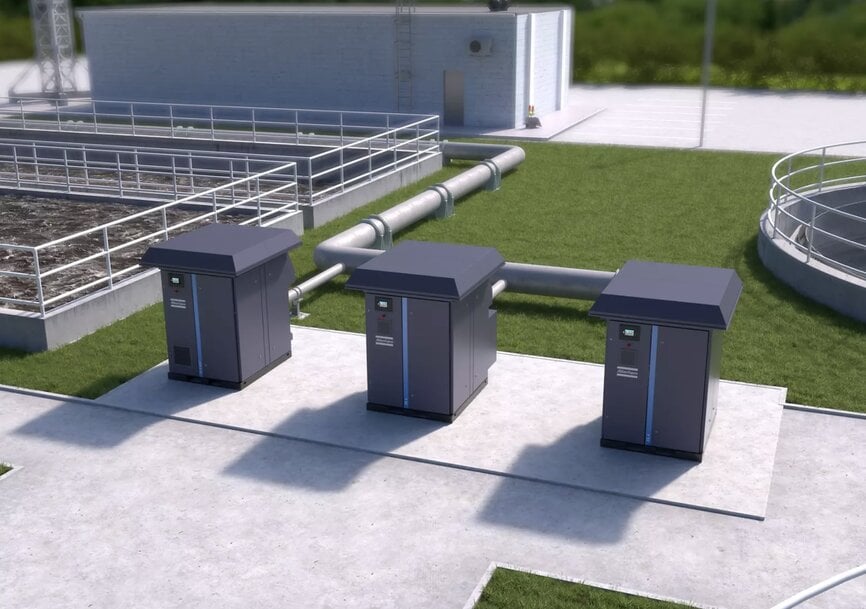
Wastewater treatment works are implementing technical upgrades to low-pressure blower and aeration systems to meet efficiency, resilience, and environmental requirements under the Asset Management Period 8 (AMP8) framework. These incremental machinery improvements are designed to support energy reduction and process stability within biological treatment facilities.
Aeration Energy Demand and AMP8 Objectives
Aeration represents one of the most energy-intensive processes in biological wastewater treatment, creating continuous utility demands to supply oxygen to activated sludge tanks. Under Ofwat's regulatory framework for the 2025 to 2030 period, water companies must modernize existing infrastructure, identify avoidable energy consumption, and utilize data to optimize process controls. This regulatory transition places low-pressure air systems in scope to lower operating costs and ensure environmental compliance while keeping consumer bills under scrutiny.
Oxygen Transfer and Blower Technology Selection
Sites are evaluating whether legacy mechanical aeration methods satisfy current process conditions, given their limited oxygen transfer efficiency compared to fine bubble aeration systems that introduce air through diffusers. Efficient system integration requires the blower installation to adjust air flow and pressure dynamically based on real-time demand rather than operating on fixed assumptions, as oversupply wastes energy while undersupply risks process instability.
Modern technical options include screw, lobe, and high-speed turbo blowers, with selection depending on site-specific factors such as flow range, pressure, turndown, footprint, maintenance strategy, and load profiles. Variable speed drive control enables operators to adjust air supply in response to fluctuating dissolved oxygen requirements, biological activity, and changing influent conditions.
Data Integration and Lifecycle Management
Connecting blower systems to plant sensors, supervisory control systems, and remote monitoring tools provides visibility into operational trends. Integrating dissolved oxygen readings, air flow data, pressure trends, and equipment condition metrics allows operators to manage system efficiency and prevent operational faults before compliance is compromised.
Furthermore, long-term efficiency requires whole-system lifecycle management to address restricted filters, drifting valves, pipework leaks, and deferred maintenance across the full distribution network rather than focusing solely on individual components.
Edited by Romila DSilva, Induportals Editor, with AI assistance.
www.atlascopco.com
