
www.waterplant.tech
11
'26
Written on Modified on
FEED Study Advances ATA Tailings Dewatering
Clean TeQ Water will deliver Front-End Engineering Design for a standalone ATA tailings plant supporting a mining expansion and commercial-scale dry-stack implementation.
www.cleanteqwater.com
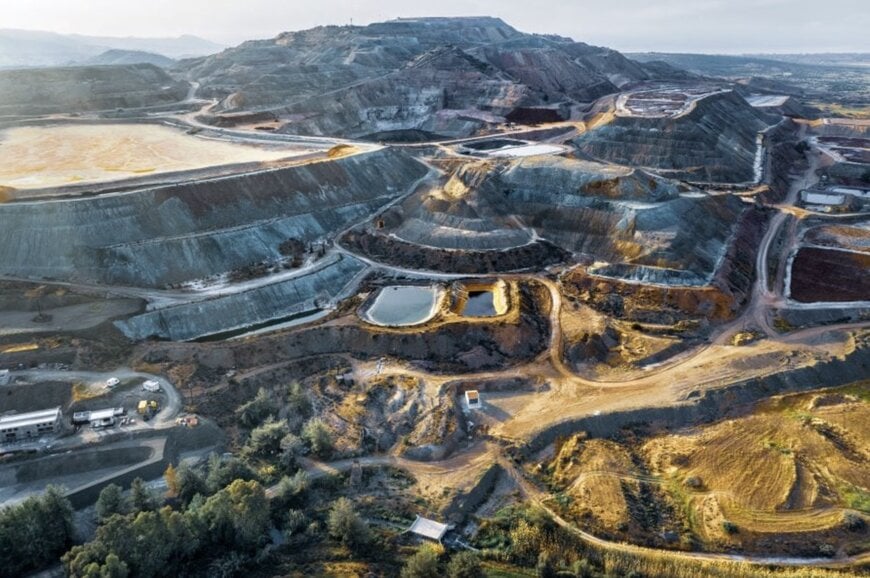
Clean TeQ Water has been appointed to execute the Front-End Engineering Design (FEED) for a standalone ATA® tailings dewatering plant as part of a mining client’s feasibility program. The facility is intended to enable dry stacking of tailings by producing low-moisture, free-draining solids suitable for immediate deposition.
Integrating ATA into Expansion Planning
The FEED forms a central element of the client’s proposed operational expansion. By advancing ATA into the engineering design phase, the technology is being evaluated as a viable dry-stack tailings solution at commercial scale.
Dry stacking is increasingly adopted in mining to reduce the risks associated with conventional tailings storage facilities. It requires tailings with sufficient geotechnical stability and low moisture content to allow safe deposition and trafficability. The standalone ATA plant is designed to meet these parameters while supporting higher water recovery rates and improved deposition control.
Demonstrated Performance Through Testwork
Clean TeQ Water reports that extensive bench-scale and pilot-scale testwork has been completed prior to the FEED award. The results indicate that ATA-treated solids achieve the moisture content and geotechnical properties required for dry stacking using vacuum belt filtration alone.
This is a relevant technical distinction. In many mining operations, achieving target moisture levels for dry stacking necessitates pressure filtration systems, which typically involve higher capital expenditure, greater energy consumption, and more complex maintenance requirements. Demonstrating compliance with dry-stack specifications through vacuum belt filtration provides a potentially lower-cost and mechanically simpler pathway to tailings dewatering.
Implications for Water Recovery and Deposition Rates
The FEED will define process configuration, equipment sizing, and integration into the broader mine infrastructure. At commercial scale, the ATA-based system is intended to support increased water recovery from tailings streams. Recovered water can be recycled into mineral processing circuits, reducing freshwater demand and improving overall site water balance.
Higher deposition rates are also a critical parameter in expansion planning. By producing low-moisture, free-draining tailings suitable for immediate dry stacking, the system may enable continuous material handling without extended curing times.
From Testwork to Commercial Engineering
Moving ATA into the FEED phase positions the technology within formal expansion planning and investment decision processes. The engineering study will assess constructability, operating parameters, and integration with existing or planned processing infrastructure.
For mining operators evaluating alternatives to conventional tailings dams, the combination of demonstrated moisture performance, compatibility with vacuum belt filtration, and scalable design represents a defined pathway toward commercial dry-stack tailings implementation.
www.cleanteqwater.com
