
www.waterplant.tech
26
'26
Written on Modified on
Miniature Tools Target Sewer Blockage Prevention
Thames Water deploys compact inspection tools to remove wipe-related obstructions in narrow sewer pipes and improve urban wastewater network reliability.
www.thameswater.co.uk
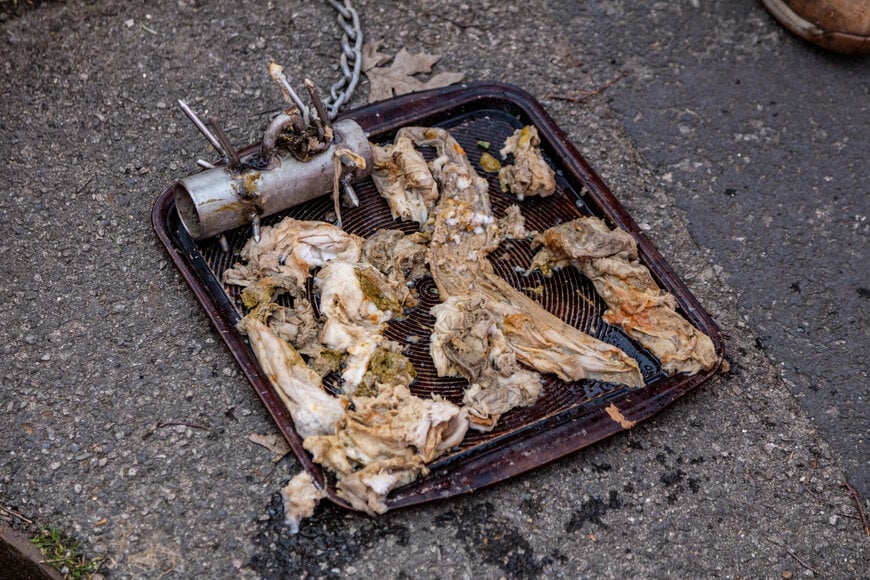
Thames Water has introduced a smaller version of its sewer cleaning device designed to remove early-stage blockages in narrow pipes. The tool targets wet wipe accumulation, a major contributor to sewer overflows, infrastructure stress, and maintenance costs.
Addressing Persistent Sewer Blockages
Urban wastewater systems continue to face operational challenges from non-degradable materials, particularly wet wipes. Unlike toilet paper, these materials retain structural integrity in sewer conditions and accumulate into dense obstructions that restrict flow.
These accumulations can evolve into large fatbergs, which are associated with sewer overflows, property flooding, and environmental contamination. Thames Water reports that wipe-related blockages cost approximately £40 million annually and that more than 18,000 blockages have already been cleared this year, equivalent to over 200 incidents per day.
Compact Design for Constrained Pipe Networks
The newly introduced device informally referred to as a “baby hedgehog” is engineered for operation in small-diameter sewer pipes where conventional tools have limited access. Measuring approximately 10 cm in length, it is a reduced-scale version of a 15 cm tool introduced in 2025.
Its compact structure enables it to move through tighter sections of pipework, allowing intervention at earlier stages of blockage formation. By removing debris before consolidation occurs, the device reduces the likelihood of full obstructions and associated network disruptions.
Mechanism and Operational Role
The tool functions through direct mechanical interaction with accumulated wipes and debris, dislodging and extracting materials before they develop into more severe blockages. This supports a transition from reactive maintenance toward preventive sewer management.
In addition to clearance, the device contributes to diagnostic processes by helping identify recurring blockage locations and potential sources of improper waste disposal. This information can be used to refine maintenance strategies and support targeted public engagement.
Integration with Monitoring Infrastructure
The deployment is complemented by more than 20,000 sewer monitors installed across London and the Thames Valley. These sensors provide continuous visibility into network conditions, enabling utilities to detect anomalies, locate emerging blockages, and prioritise intervention areas.
Such integration reflects the adoption of a digital supply chain approach in water infrastructure, where real-time data supports predictive maintenance and more efficient allocation of operational resources.
Application and Impact
The miniature tool is suited to narrow residential sewer connections and high-density urban networks, where early-stage blockage removal is critical. Its use helps reduce the risk of sewage backflow into homes, lowers emergency intervention frequency, and limits stress on wastewater infrastructure.
By addressing blockages at an early stage and improving visibility into their causes, the system contributes to more resilient sewer operations and reduced environmental impact.
Conclusion
The deployment of compact, targeted maintenance tools demonstrates a shift toward precision intervention in wastewater networks. Combined with monitoring systems and data-driven workflows, such technologies enable more efficient management of sewer infrastructure and more effective mitigation of blockage-related risks.
Edited by an industrial journalist, Sucithra Mani, with AI assistance.
www.thameswater.com
