
www.waterplant.tech
20
'26
Written on Modified on
Industrial Automation for Mining Wastewater Treatment and Reclamation
Newterra implements a containerized membrane system at a southwestern rare earth metals mine to convert tailings water into high-quality process water.
www.newterra.com
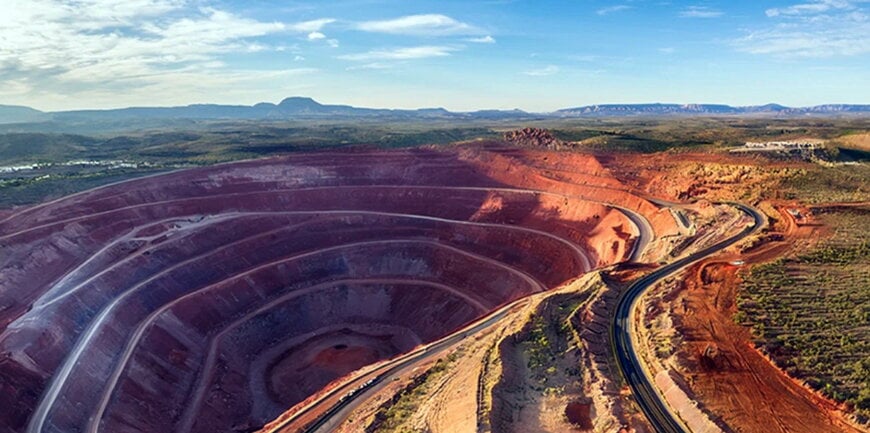
A technical cooperation at a southwestern rare earth metals mining operation integrates industrial automation and advanced membrane technology to close the industrial water loop. The implemented system processes mining tailings wastewater to provide a stable, automated supply of high-quality process water for gold refining and ore processing.
Operational Challenges in Mine Water Management
Mining operations generate substantial volumes of tailings wastewater containing suspended solids, heavy metals, and dissolved contaminants. As tailings volumes accumulate, managing contaminant concentrations becomes critical to prevent the contamination of surface and groundwater resources.
Unmanaged wastewater increases environmental liabilities, risks regulatory non-compliance, and threatens operational continuity. Concurrently, sourcing freshwater for water-intensive refining processes in remote or arid regions introduces high procurement costs and exposure to supply risks from drought or permitting constraints.
Modular Membrane Architecture and Technical Responsibilities
To address these challenges, Newterra has deployed an engineered, containerized ultrafiltration and reverse osmosis (UF/RO) system. The division of roles positions Newterra as the primary technology provider responsible for the engineering, modular assembly, and system integration, while the mining operator manages the site infrastructure and source water intake.
The technical solution operates via a two-stage membrane separation process:
- Ultrafiltration (UF): The initial stage utilizes porous membranes to filter out suspended solids, colloidal matter, and macromolecular contaminants, protecting downstream components from fouling.
- Reverse Osmosis (RO): The second stage forces the pre-treated water through semi-permeable membranes under pressure, separating dissolved ions, trace heavy metals, and salts from the water stream.
The system is housed within a standardized shipping container, optimizing it for rapid deployment, scalability, and thermal protection in demanding remote industrial environments.
System Implementation and Use Cases
The modular digital infrastructure allows the UF/RO unit to integrate directly into the mine's existing water management network. By treating the wastewater directly at the tailings source, the system generates a high-quality permeate stream. This reclaimed water is routed immediately to the site's gold refining and ore processing loops, replacing the need for external freshwater inputs.
Expected Operational Impact
The automated filtration system stabilizes site water quality and establishes a predictable closed-loop water balance. By converting an environmental liability into a controlled resource, the operation achieves measurable reductions in freshwater intake volumes and minimizes the total wastewater discharge subject to regulatory oversight. This mitigation of resource scarcity risks ensures long-term operational resilience and continuous production capabilities.
"By treating tailings wastewater at the source and enabling high-quality reuse through our containerized UF/RO system, we’re supporting both environmental performance and operational reliability," states David Alvarado, Regional Sales Manager – Industrial at Newterra. "In remote, high-demand mining environments, having a stable, on-site water solution isn’t just beneficial—it’s essential for maintaining production and reducing long-term risk."
Edited by Evgeny Churilov, Induportals Media - Adapted by AI.
www.newterra.com
System Implementation and Use Cases
The modular digital infrastructure allows the UF/RO unit to integrate directly into the mine's existing water management network. By treating the wastewater directly at the tailings source, the system generates a high-quality permeate stream. This reclaimed water is routed immediately to the site's gold refining and ore processing loops, replacing the need for external freshwater inputs.
Expected Operational Impact
The automated filtration system stabilizes site water quality and establishes a predictable closed-loop water balance. By converting an environmental liability into a controlled resource, the operation achieves measurable reductions in freshwater intake volumes and minimizes the total wastewater discharge subject to regulatory oversight. This mitigation of resource scarcity risks ensures long-term operational resilience and continuous production capabilities.
"By treating tailings wastewater at the source and enabling high-quality reuse through our containerized UF/RO system, we’re supporting both environmental performance and operational reliability," states David Alvarado, Regional Sales Manager – Industrial at Newterra. "In remote, high-demand mining environments, having a stable, on-site water solution isn’t just beneficial—it’s essential for maintaining production and reducing long-term risk."
Edited by Evgeny Churilov, Induportals Media - Adapted by AI.
www.newterra.com
