
www.waterplant.tech
01
'26
Written on Modified on
Structural Concrete Relining For Water Infrastructure Resilience
Barhale and Thames Water are cooperating to reconstruct a deteriorating abstraction tunnel liner to secure raw water supply for regional treatment facilities.
www.barhale.co.uk
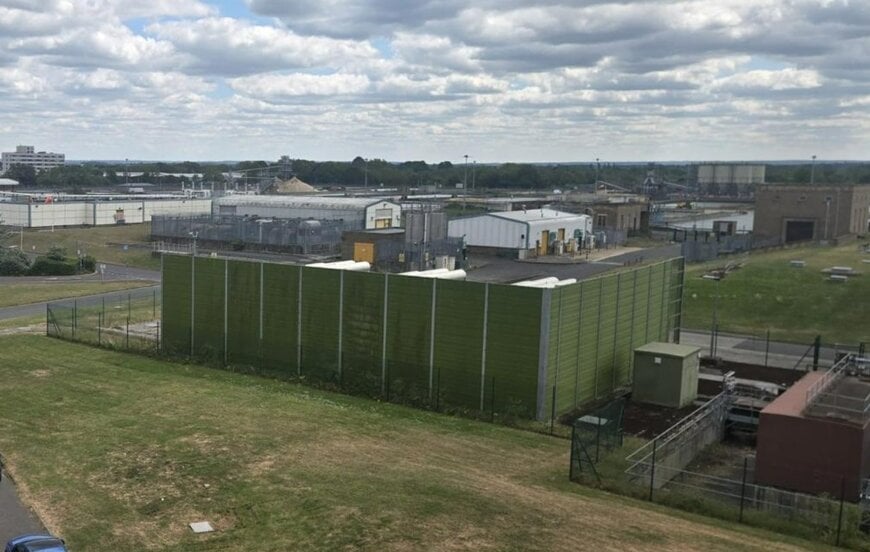
Barhale and Thames Water are collaborating to execute a structural relining project within an abstraction tunnel at the Ashford Common Water Treatment Works (WTW). This civil engineering initiative utilizes reinforced concrete to stabilize aging subterranean conduits, supporting the continuous processing and supply of municipal drinking water.
Addressing Subterranean Infrastructure Challenges
The West London Abstraction (WLA) network consists of large storage reservoirs linked by deep tunnel systems that supply regional treatment plants. Mandatory technical inspections of the Southern Inlet tunnel revealed inconsistencies and degradation in the existing glass-reinforced plastic (GRP) liner. These structural faults posed a direct risk to the primary underlying wedgeblock tunnel. To address this risk, Thames Water engaged Barhale through an Early Contractor Involvement (ECI) phase. This cooperative engineering approach was required to develop safe access methodologies, manage the complexity of layered tunnels, and finalize structural designs within a highly congested underground environment.
Technical Architecture and Phased Execution
The technical intervention focuses on replacing the compromised GRP layer with a newly cast reinforced concrete liner to restore long-term structural integrity and prevent water ingress or tunnel collapse. Barhale operates as the principal engineering contractor executing the subterranean works, while Thames Water manages systemic hydraulic distribution across the wider network.
The deployment involves strict implementation phases to reach the targeted infrastructure. Initial operations require a three-meter excavation to expose the access chimney and riser. Engineering teams then dismantle specific segments of this riser to establish a safe descent route to the tunnel invert level at a depth of 19.5 meters. Following the installation of specialized scaffolding along the tunnel axis, technicians remove the degraded GRP liner, break out the obsolete grout and concrete, and construct the new reinforced concrete boundary.
Operational Continuity and Hydraulic Management
Executing heavy infrastructure repairs within an active utility network requires precise flow management to prevent system failure. A primary operational constraint for this project is maintaining a minimum continuous flow rate from alternative WLA reservoirs into the Ashford Common WTW. This hydraulic routing is critical to sustain the active biological treatment process and prevent the facility's filtration beds from deteriorating during the construction phase.
By stabilizing the primary intake tunnel without fully halting regional water processing, the cooperation secures the operational reliability of the broader Thames Water Ring Main (TWRM). This approach ensures process stability, extends the lifecycle of the wedgeblock tunnel, and maintains the required throughput capacity for the municipal clean water supply network.
Edited by Aishwarya Mambet, Induportals Editor, with AI assistance.
www.barhale.com
